
I’ve selected my company project for Lonely Octopus – building an internal RAG (Retrieval-augmented generation) AI search engine. I’ve been fascinated by RAG workflows since my immersion into AI. It’s such a relevant topic because so many companies are struggling to balance the sense of urgency to implement AI at an enterprise level with (legitimate) concerns about their proprietary data, privacy, and cybersecurity risks.
What is RAG? Perhaps you’d like to learn about it in simple and much more fun terms. I asked ChatGPT 4o mini to explain it to me like a five-year-old with Pokémon references as a storytelling tool:
Imagine Pokémon battling, and they have special moves called “RAG.”
R stands for Retrieve: Think of this like grabbing a Poké Ball from your backpack to catch a Pokémon. You need to get what you want before you can use it!

A stands for Analyze: Now, imagine looking at the Pokémon you caught and checking its stats. You need to know if it's strong or weak to make the best decisions in battle.

G stands for Generate: This is like using your Pokémon’s special moves. After you’ve retrieved and analyzed your Pokémon, you use its moves to win the battle!

So, RAG is all about getting what you need, understanding it, and then using it to win. Just like in Pokémon battles! 🌟
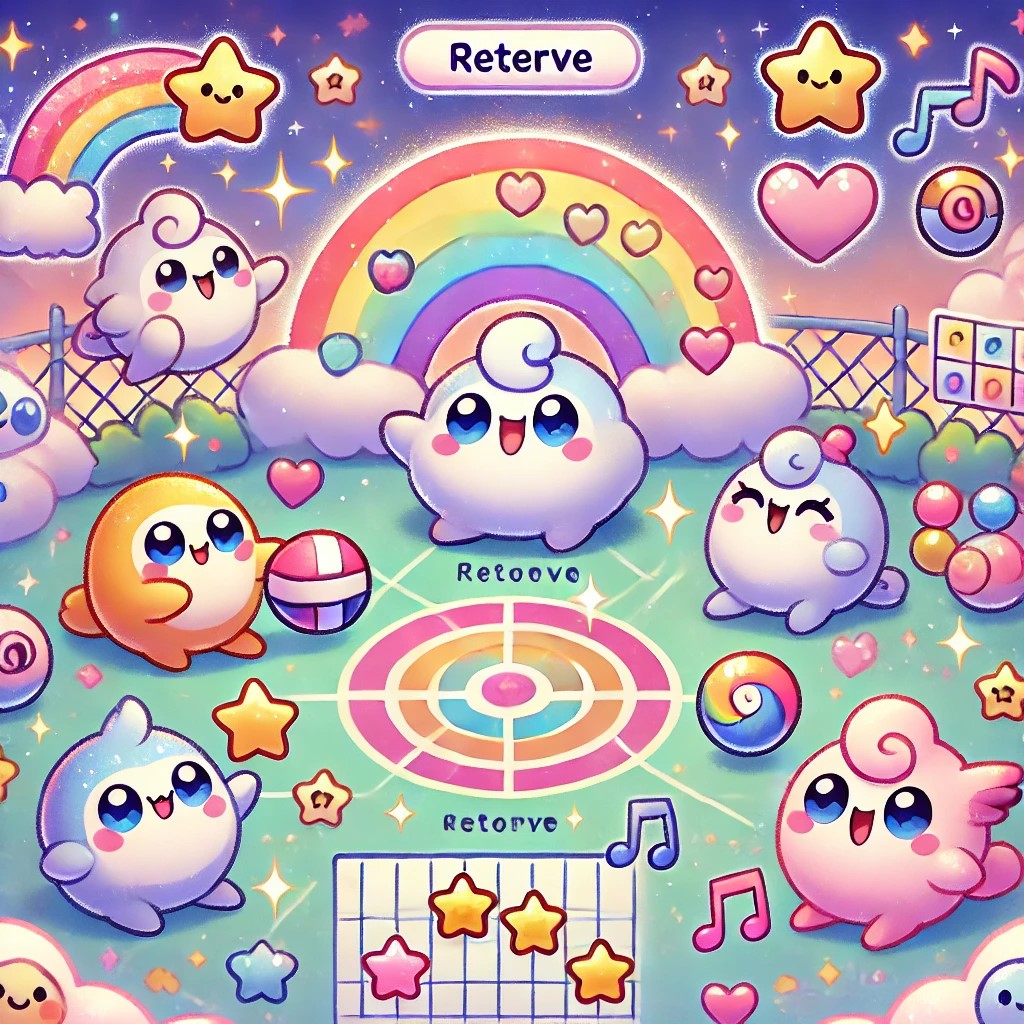
Wow, that is simple! Then, I prompted the below illustration to go with it. Note that ChatGPT4o refused to do an illustration with Pokémon-specific references, so I asked it to replace any reference to “Pokémon” with “cute creature”.
Anyway, back to a RAG explanation for adults. If you need a few more details😅, here’s a snapshot from:
Amazon Web Services (AWS)*: Retrieval-Augmented Generation (RAG) is the process of optimizing the output of a large language model, so it references an authoritative knowledge base outside of its training data sources before generating a response.
…and GeeksforGeeks**: …RAG’s significance lies in its ability to improve the accuracy, relevance, and versatility of natural language processing tasks, while also addressing challenges related to bias and misinformation.
…and DataCamp***: Organizations typically make business decisions by keeping an eye on competitor behavior and analyzing market trends. This is done by meticulously analyzing data that is present in business reports, financial statements, and market research documents. With an RAG application, organizations no longer have to manually analyze and identify trends in these documents. Instead, an LLM can be employed to efficiently derive meaningful insight and improve the market research process. (Full DataCamp article HERE written by Natassha Selvaraj 📝)
 glitter pile ai
Leave a comment/share your thoughts (please be kind)